The Silent Wound: Why CPR and First Aid Training Must Reckon With Responder Psychological Trauma
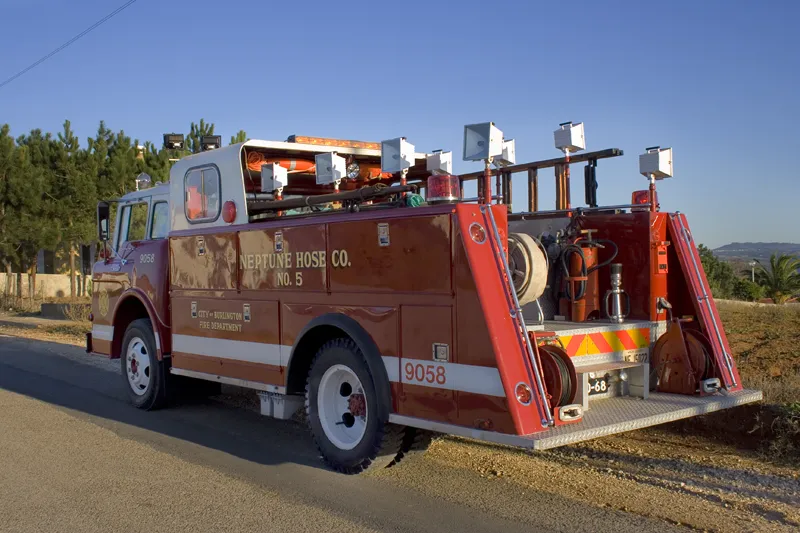
Photo: Consultlink-Bruno Costa, Public domain, via Wikimedia Commons
The standard CPR training scenario is familiar to anyone who has completed a certification course: a mannequin on the floor, an instructor counting compressions, a checklist of steps to memorize and demonstrate. What that scenario rarely includes is any acknowledgment of what a responder might feel after performing CPR on a real human being — particularly one who does not survive.
This omission is not trivial. It reflects a broader cultural assumption embedded in emergency response training: that the psychological dimension of life-or-death intervention is either self-resolving or simply outside the scope of the curriculum. That assumption is increasingly untenable, and the healthcare and workplace safety communities are beginning to pay a price for it.
The Psychological Reality of Emergency Response
Research published in peer-reviewed emergency medicine journals over the past decade has consistently documented elevated rates of acute stress reactions, post-traumatic stress disorder (PTSD), depression, and occupational burnout among individuals who have participated in resuscitation attempts — including bystanders with no formal medical training. A 2019 study published in Resuscitation found that a significant proportion of lay rescuers who performed CPR on cardiac arrest victims reported intrusive memories, sleep disturbances, and anxiety in the weeks following the event, regardless of the outcome.
For professional responders — emergency medical technicians, paramedics, emergency department nurses, and firefighters — the cumulative burden is even more pronounced. The U.S. fire service, for example, now reports that line-of-duty deaths from suicide exceed those from on-scene injuries in several states. While no single cause explains that statistic, repeated exposure to traumatic emergency events without adequate psychological support infrastructure is widely cited as a contributing factor.
The question is not whether emergency response carries psychological risk. The evidence has answered that definitively. The question is why the training systems designed to prepare people for these events continue to treat the mind as an afterthought.
What Current Curricula Get Right — and What They Miss
To be fair, the major certification bodies in the United States have made meaningful advances in the clinical content of CPR and first aid curricula over the past two decades. Updated compression depth and rate guidelines, improved AED integration protocols, and the inclusion of naloxone administration in some first aid courses reflect genuine responsiveness to evolving evidence.
But when it comes to the human experience of performing emergency care, most standard curricula remain largely silent. A typical BLS or first aid course will cover the mechanics of chest compressions, the recognition of cardiac arrest, and the appropriate response sequence. It will not typically address:
- How to process the emotional aftermath of an unsuccessful resuscitation attempt
- What psychological responses are normal following a traumatic incident and which warrant professional support
- How workplace organizations should structure post-incident debriefing for employees who have responded to medical emergencies
- The specific vulnerability of individuals who perform CPR on someone they know personally — a family member, a coworker, a friend
These gaps are not the result of indifference. They reflect the historical segmentation of physical and psychological health in both medical education and workplace safety culture. But that segmentation is no longer defensible.
The Workplace Dimension: Employer Obligations and Opportunity
For organizations operating under OSHA's General Duty Clause, the obligation to provide a safe working environment extends beyond physical hazards. As the legal and regulatory landscape around workplace mental health evolves in the United States — driven in part by increased legislative attention at the state level — employers who train staff in first aid and emergency response without addressing the psychological consequences of that role are leaving a significant gap in their duty of care.
Consider the scenario that plays out in workplaces across the country every year: an employee collapses, a trained coworker initiates CPR, emergency services arrive, and the outcome is uncertain or fatal. The responder returns to work the following week without any formal acknowledgment of what they experienced, any structured opportunity to process the event, or any guidance on when their reactions might warrant professional mental health support. That is not a complete emergency response program. It is half of one.
Forward-thinking organizations are beginning to integrate critical incident stress management (CISM) protocols into their emergency response planning. These protocols, which include structured debriefings led by trained facilitators, peer support networks, and clear referral pathways to employee assistance programs (EAPs), represent the kind of comprehensive approach that genuine workplace safety demands.
Rethinking the Training Model
The argument here is not that CPR instructors should become therapists, nor that first aid courses should be transformed into mental health workshops. The clinical content of life support training is indispensable and must remain the primary focus. What is being advocated for is a deliberate expansion of scope — one that acknowledges the full human cost of emergency response and equips participants with basic psychological literacy alongside their clinical skills.
In practical terms, this might look like:
- A dedicated 15-to-20-minute module at the conclusion of CPR and first aid courses that normalizes psychological responses to emergency events and outlines available support resources
- Scenario-based discussions that invite participants to reflect on how they might feel after a real incident, not merely what they would do
- Employer-focused supplementary materials that guide organizations in establishing post-incident support protocols for trained responders
- Integration of resilience-building principles — grounded in evidence from trauma-informed care and occupational psychology — into professional development tracks for healthcare workers
None of these additions would require a fundamental restructuring of existing certification frameworks. They would, however, signal something important: that the organizations training people to save lives also take seriously the lives of the people doing the saving.
A Call for Curriculum Evolution
At CPR Healthcare Training Academy, we believe that certification is not simply the transfer of technical knowledge. It is preparation — genuine, holistic preparation — for the realities of emergency response. Those realities include the psychological weight of acting when someone's life is on the line, the grief that can follow an unsuccessful outcome, and the cumulative toll that repeated exposure to crisis can take on even the most resilient individuals.
The mental health crisis among emergency responders is not a separate issue from CPR and first aid training. It is a direct consequence of how that training has historically been designed. Addressing it is not a departure from the mission of saving lives — it is an extension of it. The field is ready for this conversation, and the professionals who depend on quality training deserve nothing less.